
As global pressure mounts to phase out fossil fuels, most conversations around renewable energy revolve around wind and solar. Both have seen impressive adoption rates over the last decade, with large-scale rollouts across Europe, Asia, and North America. However, recent findings from the International Energy Agency (IEA), the UK’s National Grid, and several regional transmission operators are revealing a less talked about side of the story — intermittency is becoming a bottleneck.
The Numbers Behind the Narrative
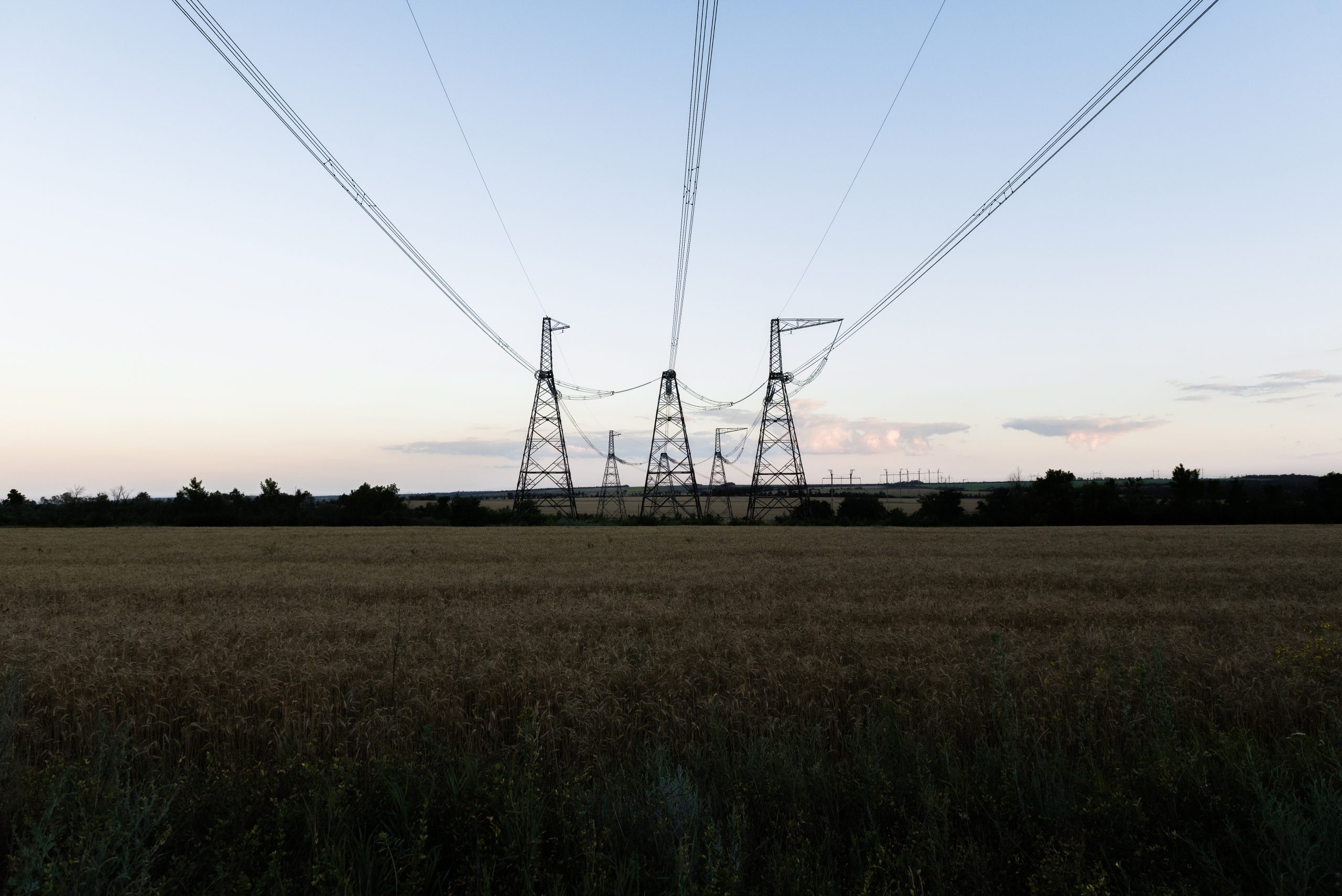
A 2024 analysis of UK electricity output revealed that on 42% of days in Q1, wind farms produced less than 25% of their rated capacity. While this isn’t new, the implications are growing more serious. Winter demand peaks are increasingly clashing with periods of wind lull, meaning that fossil-based backup or imported energy is still being leaned on to stabilise the grid — counterproductive to decarbonisation goals.
Solar, too, has taken a hit. The Met Office confirmed that April 2024 was the wettest in over a decade, leading to a 19% drop in solar output across the country. This decrease wasn’t merely inconvenient — it triggered a surge in gas-fired electricity use to plug the gap, highlighting just how reactive current systems still are.
And it’s not just the UK. Across Europe, grid operators have begun issuing warnings that solar and wind capacity alone will not be sufficient to meet net-zero targets unless supported by consistent baseline renewables.
The Predictability Problem
Solar and wind are brilliant technologies, but their biggest flaw remains unchanged: they are dependent on weather. Even with better forecasting tools, we can’t control the clouds or command the wind. Battery storage offers a partial solution, but it adds significant cost and introduces its own sustainability issues (rare earth mining, degradation, etc.).
In contrast, tidal energy offers a uniquely stable and forecastable power source. Tides follow a lunar cycle that we can map decades in advance. There are no surprises — no sudden drops in output due to a lack of sunlight or still skies.
Enter: Tidal as a Core Component, Not a Supplement
At HydroFlow, we believe the answer lies beneath the surface.
Our TideMaster system has been engineered from the ground up to deliver energy with minimal variability — producing stable output up to 22 hours per day, every day, regardless of the season. Its compact footprint, modular scalability, and low maintenance design make it ideal for coastal deployments where demand is growing, and space is at a premium.
This isn’t about choosing one renewable over another — it’s about building a resilient, diversified grid. And predictability is the missing pillar.
Why It Matters Now
Governments, investors, and infrastructure providers are beginning to realise that the next phase of energy evolution needs more than just expansion — it needs certainty.
With tidal technologies like TideMaster entering scalable deployment phases, and public support for consistent, low-impact renewables on the rise, the time to invest in tidal is now.
🔗 Want to stay in the loop? Subscribe for updates on HydroFlow’s deployment milestones, upcoming investment opportunities, and exclusive insights from inside the UK’s most exciting tidal energy project.